
"Latin America coffee beans"
700 article(s) found

Coffee-loving Americans in American Coffee Culture Coffee production in Latin America
Coffee-loving Americans coffee is second only to oil in the world, and the coffee consumed by Americans accounts for 1/3 of the world's total coffee consumption, and more and more Americans like to drink coffee. Enjoy coffee as a kind of fragrant and mellow beverage worth tasting carefully. Although it takes only a few minutes to drink a cup of coffee, from planting a coffee tree

Latin American coffee brand recommendation on how to brew Latin American coffee beans
Professional coffee knowledge exchange more coffee bean information please follow the coffee workshop (Wechat official account cafe_style) Latin American coffee bean taste characteristics: balanced, moderately sour and mellow Central and South America is the world's largest coffee producing region, where there are numerous boutique coffees. If you take Colombia, Guatemala or Brazil as an example, good coffee is enough to make people dazzle.

Characteristics of Latin American coffee beans introduction to Latin American coffee story
Following Cafe Review (Wechat official account vdailycom) found that Mexico Mexico Cafe opened a small shop of its own. Mexico's most famous coffee beans are mainly from Coatepec, Oaxaca and Chiapas/Tapachula. The acidity is lively, bright and mild, the flavor is delicate, the consistency is medium, it is used in the formula.

Smooth and sweet Venezuelan coffee beans from Latin American coffee producers
The taste is smooth and sweet. Compared with other coffee in Latin America, Venezuelan coffee is lighter, full-grained, sour, sweet and deep. Venezuelan Coffee Cafe selling Socialist Coffee in Venezuela recently, there is a particularly interesting phenomenon in the Venezuelan Cafe, a state-run coffee chain: the store provides two contrasts for customers.

Introduction of manor varieties in environmental producing area of Arabica coffee bean growing area in Latin America
Medial/City/Full city/Espresso/Dark/French Columbia beans are one of the few coffee beans that range from shallow roasting to very deep roasting, ranging from light roasting to deep roasting sweetness. In such a wide range, Colombian beans will have a different appearance.

Coffee Bean planting process-Coffee Bean growing region of Latin America
The planting process of coffee beans-the growing area of coffee beans in Latin America enters the peak period about 1-2 years after the first production period. Coffee trees generally bloom in 3-4 years, about 2-3 months a year, and their appearance and smell are similar to those of jasmine. the flowering period is 3-5 days. After the flowers bloom, they bear small green fruits, which ripen and turn red into ripe fruits that can be picked after a few months. Mature

Introduction to the varieties of grinding scale for flavor description of Arabica coffee beans in Latin America
Latin American Arabica coffee bean flavor description, taste treatment, grinding scale variety introduction in all coffee production, Arabica coffee accounts for 70% of 80%, its excellent flavor and aroma make it a coffee that only Arabica beans (8 Arabica beans) can be drunk directly. But its resistance to dryness, frost, diseases and insect pests
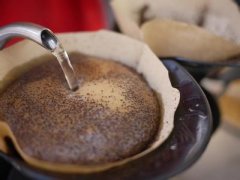
Coffee Common sense Latin American (Latin America) Coffee and roasting
In 1721, French naval officer Gabriel Mathieu de Clieu went through difficulties and obstacles to bring the first coffee sapling from Africa to the Latin American island of Martinique, which was the origin of coffee cultivation in Latin America. Because France was under the Bourbon dynasty at that time, there was another time for Arabica coffee grown in Latin America.

Coffee from Mexico (Mexico) Oaxaca and Chiapas Mexican coffee beans can be said to be flavor
In 1721, French naval officer Gabriel Mathieu de Clieu went through difficulties and obstacles to bring the first coffee sapling from Africa to the Latin American island of Martinique, which was the origin of coffee cultivation in Latin America. Because France was under the Bourbon dynasty, there was another time for Arabica coffee grown in Latin America.

The story of coffee beans in Starbucks Parker Market introduces the story and characteristics of coffee flavor in Latin America.
Professional coffee knowledge exchange more coffee bean information please follow the coffee workshop (Wechat official account cafe_style) coffee bean matching knowledge Italian coffee bean formula sharing several friends and I in addition to our usual love to drink coffee also has a slight amount of business demand, we drink is to find our own reputation of home-baked boutique coffee beans, pick the place of origin also choose roast

The first choice of coffee in Latin America: an introduction to the description quality of manor flavor in the country.
Latin America's first choice coffee Mexico (Mexico) aroma 3 points brightness 4 mellow 3 points flavor 4 points aftertaste 4 points suitable for baking: Full cityfull city, roasted to the beginning of the pot, whether mixed with the formula to make Espresso or brew a single product, Mexican coffee beans can be said to have a unique flavor. Mexican coffee from Cottpe and Veracruz in the north to the middle

A brief introduction to the perfectly peaceful flavor and taste of Latin American coffee beans
More information about this coffee: each Latin American mixed coffee is unique and does not include any Latin American single coffee. Sometimes, Starbucks mixed coffee may also contain beans purchased from different regions of Mexico, Guatemala and Colombia. In addition, Starbucks buyers are also in Costa Rica, El Salvador, Nicaragua and other Latin America.

What are the varieties and brands of coffee beans in Latin America with moderate acidity?
What are the varieties and brands of coffee beans in Latin America? among the Nicaragua Nicaraguan coffee beans, the best ones are generally from Matagalpa, Jinotega and Segovia, with moderate acidity, plump and low tonality, round consistency, full soup, and diversified sense of fruit tonal change.

Traditional coffee drinkers in southern Europe and Latin America
People in the Middle East are obsessed with the basic way of drinking, roasting coffee beans deep to near dark (DarkRoast), usually ground into a very fine powder, and then boil several times and then add sugar to form a small cup of coffee that is extremely thick, bitter, sweet and precipitated. People sipped this small cup of coffee in an elegant and courteous manner. Southern Europeans and urban Latin America

Characteristics of Latin American coffee beans Latin American coffee flavor
Latin America (Latin America) in 1721 French naval officer de Klee (Gabriel Mathieu de Clieu) experienced difficulties and obstacles to bring the first coffee sapling from Africa to the Latin American island of Martinique, which was the origin of coffee cultivation in Latin America. Because at that time, France was under the reign of the Bourbon dynasty, and what was grown in Latin America

Characteristics of Latin American coffee beans Latin American coffee flavor
Latin America (Latin America) in 1721 French naval officer de Klee (Gabriel Mathieu de Clieu) experienced difficulties and obstacles to bring the first coffee sapling from Africa to the Latin American island of Martinique, which was the origin of coffee cultivation in Latin America. Because at that time, France was under the reign of the Bourbon dynasty, and what was grown in Latin America
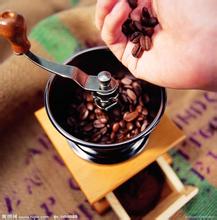
Characteristics of Latin American coffee beans Latin American coffee flavor
Latin America (Latin America) in 1721 French naval officer de Klee (Gabriel Mathieu de Clieu) experienced difficulties and obstacles to bring the first coffee sapling from Africa to the Latin American island of Martinique, which was the origin of coffee cultivation in Latin America. Because at that time, France was under the reign of the Bourbon dynasty, and what was grown in Latin America

Characteristics of Latin American coffee beans Latin American coffee flavor
Latin America (Latin America) in 1721 French naval officer de Klee (Gabriel Mathieu de Clieu) experienced difficulties and obstacles to bring the first coffee sapling from Africa to the Latin American island of Martinique, which was the origin of coffee cultivation in Latin America. Because at that time, France was under the reign of the Bourbon dynasty, and what was grown in Latin America

An introduction to the taste description of the characteristics and flavor of coffee bean farms in Latin America
Description of regional characteristics and flavor of coffee bean farms in Latin America. Why is Robusta so notorious? Robusta beans, which are round in appearance and look like soybeans at first glance, are also known as thick and strong beans. They have strong resistance to diseases and insect pests, large output and low price. The boutique coffee industry used to have a very poor impression of Robusta because it usually does not have a charming and meticulous flavor. Larger

Introduction to the quality characteristics of taste and flavor description treatment of Honduran coffee beans
Introduction to Honduran boutique coffee beans in 1721 French naval officer Gabriel Mathieu de Clieu experienced difficulties and obstacles to bring the first coffee sapling from Africa to the Latin American island of Martinique, which was the origin of coffee cultivation in Latin America. Because at that time France was under the reign of the Bourbon dynasty, which was grown in Latin America.